Painting Garage Door Weather Stripping: What You Need to Know
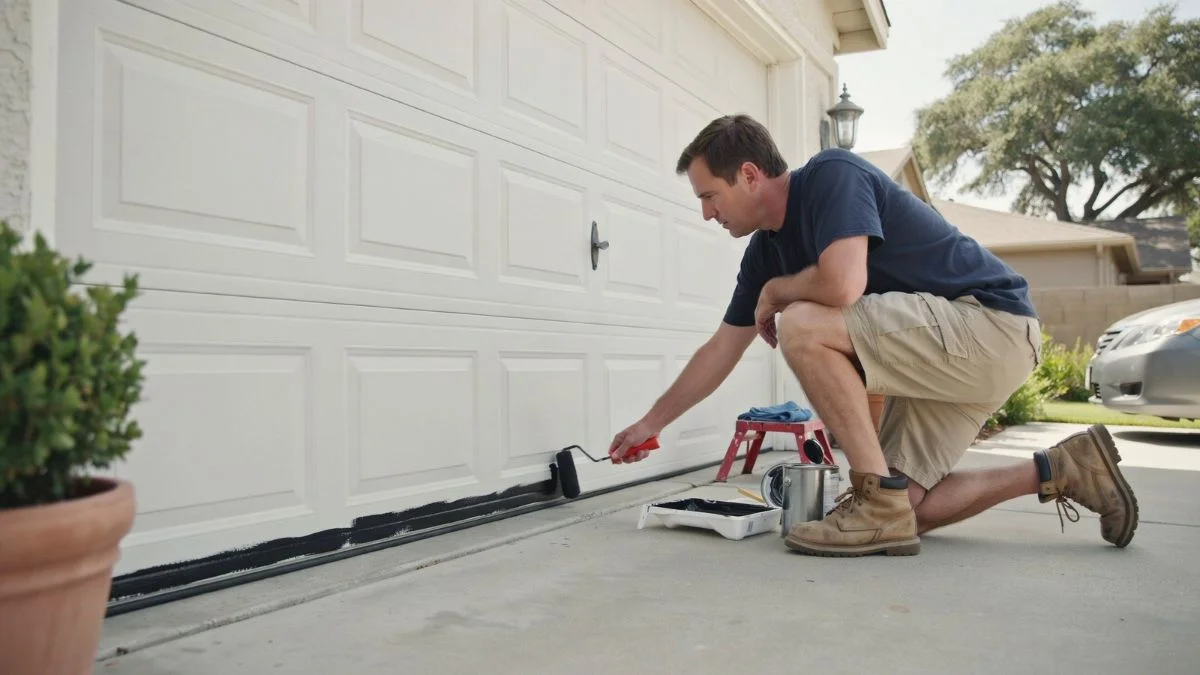
Threads on PaintTalk and DoItYourself forums show sharp disagreement about painting garage door weather stripping — some painters call it a quick cosmetic fix, while technicians warn that acrylic paint compounds can react with the plasticizers in rubber seals and accelerate cracking.
The real problem is that most homeowners tackling a garage door repaint don’t know whether to mask the weather stripping, paint over it, or replace it entirely — and making the wrong call can compromise the seal’s ability to block drafts, water, and pests.
This article gives you a clear, material-specific answer on what happens when paint meets rubber or vinyl seals, what the actual risks are, and which approach protects both your paint job and your door’s weatherproofing.
Can You Paint Garage Door Weather Stripping?
Technically, yes — paint will stick to weather stripping long enough to look finished. Whether it stays there, and whether the seal still works afterward, is a different question entirely.
Homeowners attempt this for understandable reasons. A garage door repaint feels like a single project, and stopping to carefully mask every inch of rubber stripping adds time and frustration. The weather seal is right there, it looks worn or discolored, and painting over it seems like the faster path to a clean result.
Why Paint and Rubber Don’t Get Along
The core problem is chemistry. Most rubber weather stripping contains plasticizers — oil-based compounds that keep the rubber flexible and compressible. Acrylic paint forms a rigid film as it cures. When that film bonds to a surface that’s still off-gassing plasticizers underneath, two things happen: paint adhesion stays weak and the coating peels within weeks, or the acrylic layer traps the plasticizers and accelerates hardening of the rubber stripping itself.
A hardened weather seal no longer compresses fully against the door frame. That means gaps — and gaps let in water, cold air, and insects.
What Garage Door Technicians Actually Recommend
Most professional garage door technicians advise against painting rubber or vinyl weather strips for exactly this reason. The cosmetic gain lasts a few months at best. The functional damage — a brittle, paint-cracked seal that needs full replacement — costs more to fix than the original masking tape would have cost to apply.
Garage door maintenance best practice is to treat the weather seal as a separate component, not a paintable surface.
Why Paint Fails on Weather Seals
Paint doesn’t just look bad on rubber weather stripping — it actively damages the seal’s ability to function. The failure happens in a predictable sequence, and it usually completes within one full seasonal cycle.
The Plasticizer Problem
Rubber weather stripping stays flexible because of plasticizers embedded in the compound during manufacturing. These chemicals migrate slowly to the surface over time — a normal process called plasticizer migration. When acrylic paint sits on top, it absorbs some of those migrating plasticizers and softens unevenly, which destroys paint adhesion at the molecular level. The paint film never fully bonds. What looks dry and solid after 24 hours starts lifting at the edges within weeks.
Worse, the paint layer partially blocks further plasticizer migration. The rubber stripping beneath begins to stiffen and lose the compression it needs to seal properly.
Physical Failure Modes
Once the paint film cures hard on a flexible substrate, three mechanical problems follow:
- Peeling and flaking: The rigid acrylic coating cracks every time the door compresses the seal against the frame, which happens hundreds of times per year.
- Sticking and friction: Paint increases surface friction, causing the weather seal to drag against the door frame. Over time this tears the seal edge or pulls it loose from its channel.
- Cracking and gap formation: A rubber strip that has hardened under a paint layer no longer rebounds after compression. Permanent gaps form along the bottom or sides of the door, allowing water infiltration and air leaks that raise heating and cooling costs measurably.
The Compounding Cost
Each failure mode accelerates the others. A peeling, stiff, gap-forming seal needs full replacement — not repainting. That replacement cost, typically $50–$150 for standard garage door weather stripping materials alone, dwarfs the few minutes of masking that would have prevented it.
If You Proceed: Materials and Technique
If you’ve weighed the risks and still want to paint the weather stripping — or if cosmetic appearance on a soon-to-be-replaced seal is the only goal — these are the steps that give you the best chance of a result that lasts more than a few weeks.
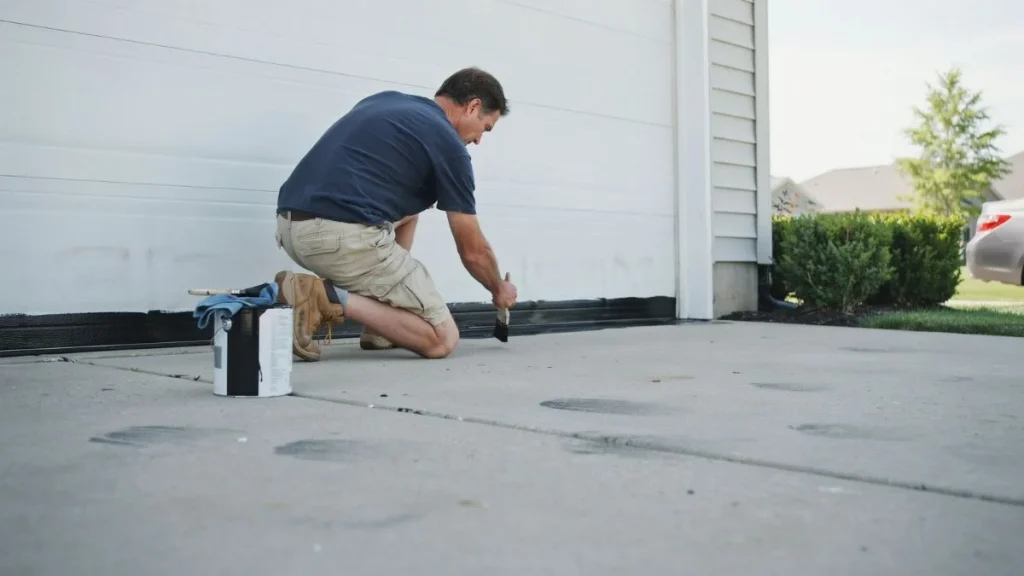
Choosing the Right Paint
Not all paints fail equally on rubber stripping. Three options are worth considering:
- Flexible acrylic latex paint: Stays more pliable than standard acrylic after curing. Brands like Rust-Oleum and Krylon produce flexible coating formulas designed for plastic and rubber surfaces. These outperform standard exterior acrylic on weather seals.
- Urethane-based paint: More elastic than acrylic and more resistant to plasticizer migration interference. Used in automotive applications on rubber trim — a meaningful real-world endorsement of its flexibility.
- Specialty rubber coatings: Products like Plasti-Dip create a peelable, flexible layer rather than a rigid film. Paint adhesion is less of an issue because the coating moves with the substrate.
Preparation Is Non-Negotiable
Clean the weather seal thoroughly with isopropyl alcohol to remove oils, dirt, and surface plasticizer residue. Let it dry completely — at least 30 minutes. Apply a flexible bonding primer formulated for rubber or vinyl before any topcoat. Skipping primer is the single most common reason rubber stripping paint adhesion fails within the first month.
Position the door fully open during application and leave it open through the full cure window — typically 24–48 hours. This prevents the freshly painted seal from bonding to the door frame while the coating is still soft.
Realistic Expectations
Even with correct materials and preparation, expect to repaint or replace the seal within 12–18 months. Inspect the stripping every 90 days for cracking, peeling, or gap formation.
Faster, Safer Alternatives
Painting garage door weather stripping is rarely the best solution — and in most cases, it isn’t necessary. Two alternatives deliver better results with less risk: cleaning or replacing.
Cleaning First
Discolored or yellowed rubber stripping is often just dirty, oxidized, or stained from road splash and weather exposure. Before reaching for paint, try these methods in order:
- Mild soap and water: A stiff-bristled brush with dish soap removes surface grime and restores a surprising amount of the original appearance.
- White vinegar solution: Mix equal parts white vinegar and water. Apply, let sit for 5 minutes, then scrub. Effective on mildew staining common on bottom door seals.
- Hydrogen peroxide (3%): Applied directly to yellowed white rubber stripping, hydrogen peroxide lifts oxidation stains without damaging the seal compound. Leave for 10 minutes, then rinse thoroughly.
Avoid bleach — it degrades rubber compounds and accelerates the same brittleness that bad paint adhesion causes.
Replacement vs. Painting: The Real Cost Comparison
| Approach | Material Cost | Time Required | Lifespan Gain |
|---|---|---|---|
| Cleaning | $0–$5 | 20–30 minutes | Cosmetic only |
| Painting (with primer) | $15–$40 | 2–3 hours | 12–18 months |
| Full replacement | $50–$150 | 1–2 hours | 5–10 years |
Replacement wins on every metric except upfront cost. A standard bottom garage door seal or side weather strip is a straightforward DIY install — most slide or nail into a pre-existing channel.
When to Stop Cleaning and Replace
Replace the weather seal when you see any of these conditions:
- Visible cracks, tears, or permanent compression set in the rubber
- Daylight visible around the door edges when closed
- Water on the garage floor after rain, directly inside the door perimeter
Cleaning restores appearance. Only replacement restores function.
Frequently Asked Questions
What happens if you paint rubber weather stripping?
The acrylic coating interferes with plasticizer migration in the rubber, causing the seal to harden and lose flexibility over time. The paint itself typically peels within weeks to months, and the underlying rubber develops cracks that create gaps along the door frame.
Can you paint vinyl garage door weather stripping?
Vinyl accepts paint better than rubber because it lacks the plasticizer migration problem, but adhesion still requires a bonding primer formulated for PVC or vinyl surfaces. Without primer, standard exterior acrylic peels from vinyl stripping within one season.
Will painting stop weather stripping from sticking to the door?
No — painting makes sticking worse, not better. Fresh paint increases surface friction and can bond the seal directly to the door frame during the cure period if the door is closed too soon. To reduce sticking on existing weather stripping, apply a thin coat of silicone lubricant instead, which reduces friction without affecting the rubber compound.
Make the Right Call for Your Door
Weather stripping is a functional component first — the moment paint compromises its flexibility or compression, the cosmetic gain becomes a weatherproofing loss that costs more to fix than it saved.
Before your next garage door paint project, pull back the weather seal and inspect it directly: if it compresses fully and shows no cracks, mask it carefully and leave it alone; if it’s brittle, torn, or gap-forming, replace it for $50–$150 before you open a single can of paint.