Moving Your Water Heater to the Garage: Complete Compliance Guide
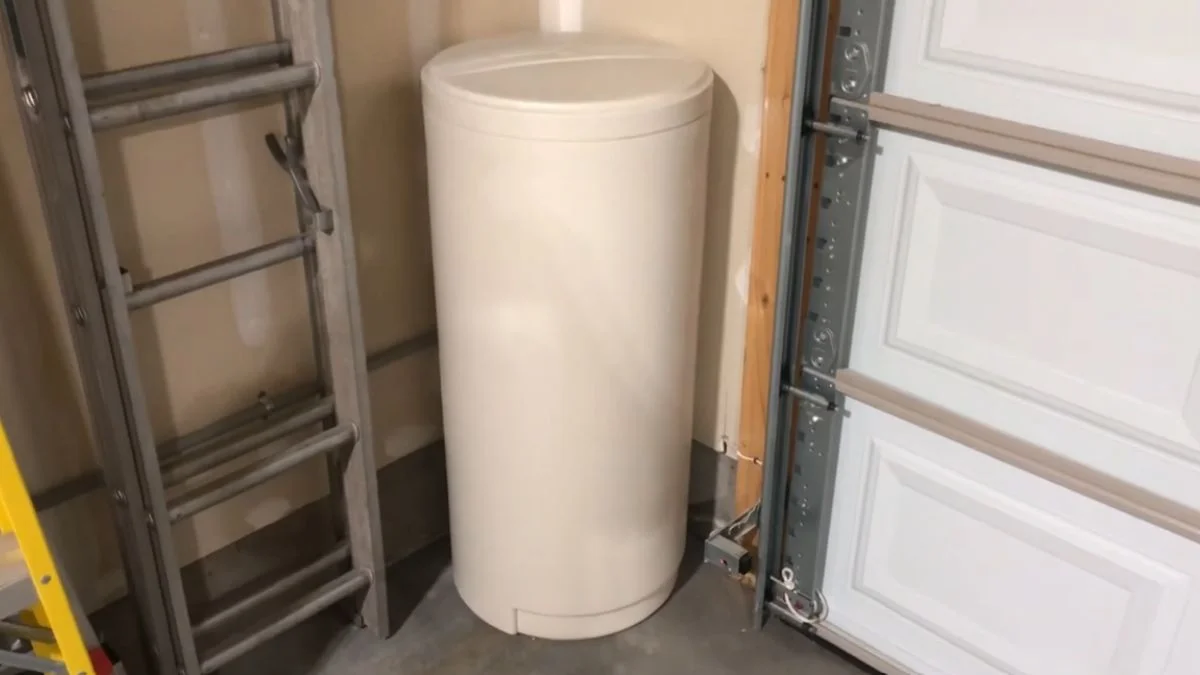
Is moving your water heater to the garage actually possible?
A water heater failure on an upper floor can dump 40–80 gallons of water into your home, and moving your water heater to the garage is one of the most effective ways to prevent that damage from happening again.
The real obstacle most homeowners face isn’t the physical move — it’s not knowing whether garage installation is legal in their state, what permits are required, or whether the cost makes sense.
This guide gives you a clear, code-based answer on feasibility, walks you through the compliance requirements that apply in most jurisdictions, and helps you decide whether relocation is the right call for your home.
Legal and Code Requirements
Every water heater relocation requires a permit in most U.S. jurisdictions — skipping this step risks failed inspections, fines, and voided homeowner’s insurance claims.
Permit and Inspection Basics
California, Texas, and Florida all require a mechanical or plumbing permit before any water heater relocation, including moves from an attic or upper floor to the garage. Your local building department issues the permit, and a licensed inspector signs off after installation.
A standard inspection covers four things:
- Clearance from walls, combustibles, and adjacent appliances
- Ventilation — proper exhaust routing to the exterior
- Drain pan — required under any indoor installation to catch leaks
- Pressure relief valve (T&P valve) placement and discharge pipe routing
The International Residential Code (IRC) and the National Fuel Gas Code (NFGC) set the baseline standards that most local codes adopt, sometimes with stricter additions.
Garage Placement Restrictions by Type
Gas and electric water heaters follow different code pathways for garage water heater placement, and the distinction matters before you plan anything.
Gas water heaters must have:
- A minimum 18-inch elevation above the garage floor if the ignition source sits lower than that threshold — this keeps the pilot light above gasoline vapor, which settles low
- Direct exterior venting with no shared flue connections to living spaces
- Clearance minimums of 6 inches from combustibles on the sides and rear
Electric water heaters face fewer ventilation restrictions but still require:
- A dedicated 240V circuit with proper amperage matching the unit
- A drain pan with a routed discharge line
- Clearance from combustible storage — garages accumulate flammable materials fast
Water heater clearance requirements in the garage also mean keeping at least 24 inches of working space in front of the unit for service access, per IRC Section M2005.
Step-by-Step Relocation Process
The moving hot water tank process has a strict order of operations — skipping steps creates leaks, code violations, or dangerous gas situations.
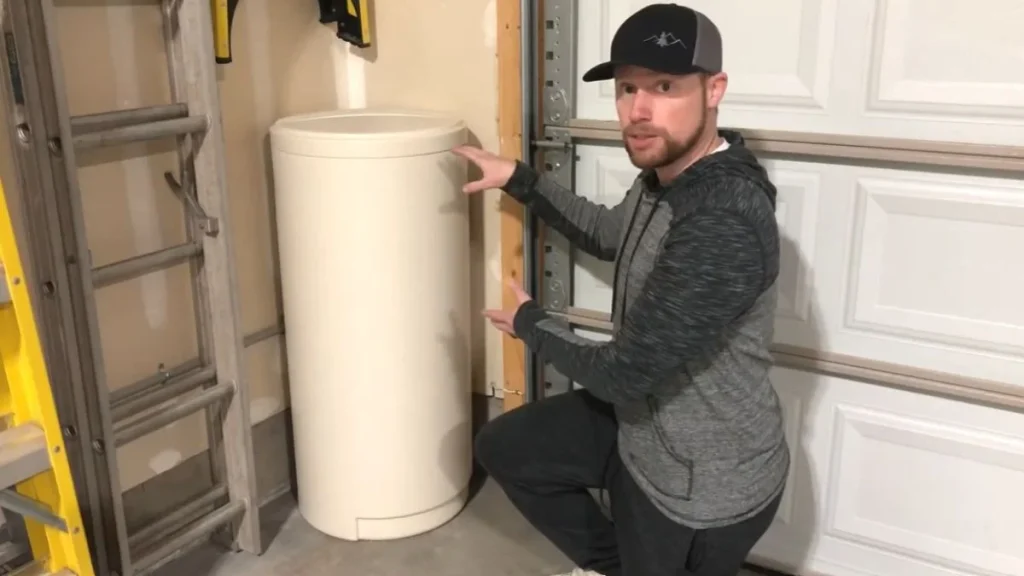
Disconnection and Rerouting
Start by shutting off the cold water supply valve feeding the tank, then connect a garden hose to the drain valve at the base and empty the tank completely. A standard 50-gallon unit takes 20–45 minutes to drain depending on sediment buildup.
Here’s the critical split: gas line disconnection must be handled by a licensed plumber or gas fitter in most states — this is not a DIY step. For electric units, shut off the dedicated breaker, then verify zero voltage at the element connections with a non-contact voltage tester before touching any wiring.
Pipe rerouting is where most of the planning happens. Measure the full run from the garage location back to your home’s main supply and hot water distribution points. Factor in:
- Wall penetrations and whether they cross fire-rated assemblies
- Pipe material compatibility (copper to PEX transitions need dielectric fittings)
- Slope requirements on the discharge line from the T&P relief valve
Installation and Testing
Set the unit on a code-compliant drain pan — IRC requires the pan to be at least 1.5 inches deep with a minimum 2-inch drain outlet routed to a visible, safe discharge point outside the garage.
Connect cold supply and hot outlet lines with proper support hangers every 32 inches for copper, every 48 inches for PEX. Both lines need shutoff valves within reach for future service.
Before firing the unit, pressure-test all connections at normal operating pressure (60–80 PSI is typical) and visually inspect every joint for moisture. During the final inspection walkthrough, the inspector will check elevation compliance, venting termination, T&P valve discharge direction, and clearances — have those measurements written down and ready.
If you’re relocating a water heater, you may also need to add or relocate a spigot — here’s how that’s done.
Cost and Decision Factors
Relocation costs vary widely, but understanding the full breakdown upfront prevents the budget surprises that derail most projects mid-way.
Professional vs. DIY Breakdown
Licensed plumber labor for a water heater relocation — not including the unit itself — typically runs $800 to $2,500 depending on the complexity of pipe rerouting and venting work. Simple same-floor garage moves on the lower end, attic-to-garage relocations on the higher end due to longer pipe runs and structural penetrations.
Permit and inspection fees add $50 to $300 in most jurisdictions. California and Florida tend toward the higher end; rural Texas municipalities often charge less.
Hidden costs catch most homeowners off guard:
- Structural modifications — cutting through fire-rated walls requires fire-stopping materials and adds labor
- New pipe material — if your home uses older galvanized pipe, inspectors in many jurisdictions will require an upgrade to copper or PEX during the relocation
- Venting work — gas water heater installation in a garage often requires a new dedicated flue run, adding $200 to $600
When Relocation Makes Financial Sense
The age of your current unit is the first filter. Water heaters last 8–12 years on average. If yours is older than 7 years, full replacement combined with garage installation often makes more financial sense than relocating an aging tank.
The damage-risk comparison is stark. An attic water heater failure can cause $10,000 to $50,000 in structural water damage according to insurance industry estimates. Garage failures typically stay contained to the floor and drain pan.
Here’s the practical trade-off: relocation plus a new unit runs $1,500 to $4,000 total in most markets. That’s a reasonable one-time cost against the alternative of a single upper-floor flood claim — which also risks premium increases or policy non-renewal.
FAQ
What are the clearance and ventilation requirements for a garage water heater?
Gas water heaters must sit at least 18 inches above the garage floor to keep the ignition source above gasoline vapor, with 6 inches of clearance from combustibles on the sides and rear. Electric units don’t require elevation but need a dedicated 240V circuit and 24 inches of front service clearance per IRC Section M2005. Both types require a drain pan with a routed discharge line.
Can I relocate a gas water heater myself, or do I need a licensed plumber?
Gas line disconnection and reconnection requires a licensed plumber or gas fitter in most U.S. states — this is not a legal DIY task. Electric water heater relocation has fewer restrictions, but you still need a permit and a licensed electrician for any new circuit work.
How much does a professional water heater relocation typically cost?
Labor alone runs $800 to $2,500 depending on pipe run complexity and venting requirements, with permit fees adding $50 to $300 on top. Combining relocation with a new unit brings the typical total to $1,500 to $4,000 — less than the average cost of a single upper-floor water damage claim.
Next Steps: Plan Before You Move
The single biggest mistake homeowners make is starting the physical move before confirming local permit requirements — that one oversight can force costly rework or block a final inspection. Call your local building department this week, ask specifically about mechanical permits for water heater relocation to a garage, and request the inspection checklist so you know exactly what the inspector will check before any work begins.