How to Install a Garage Water Spigot: Complete Planning Guide
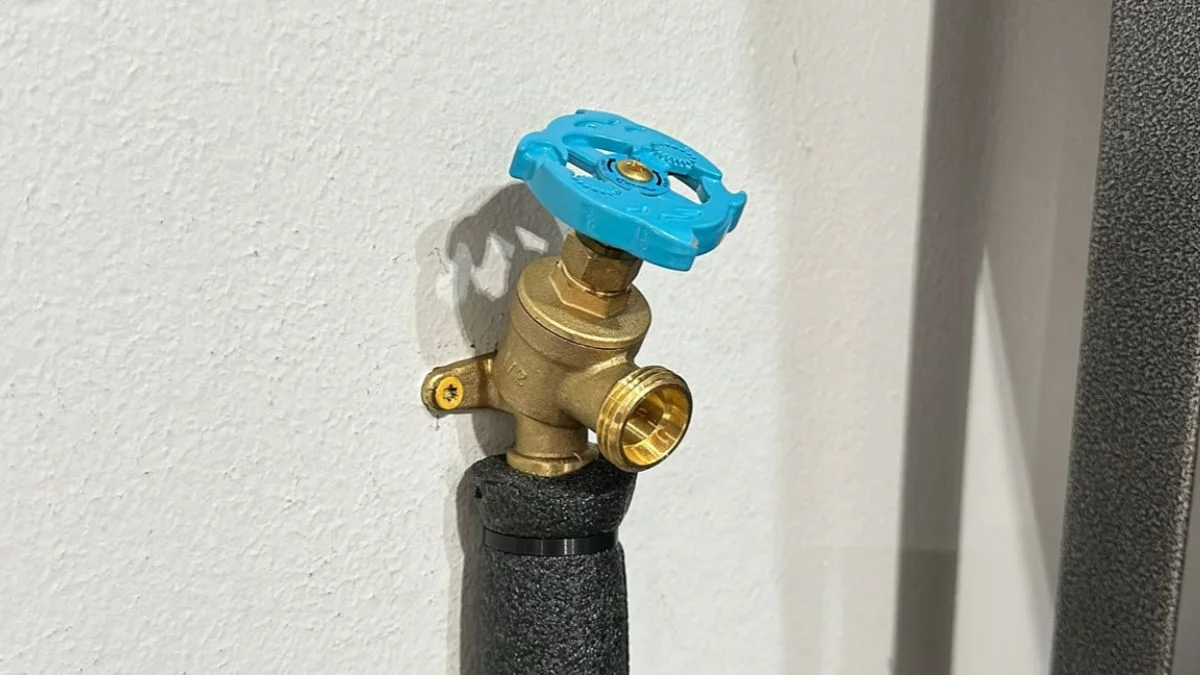
Is a garage water spigot feasible and legal?
Installing a water spigot inside a garage is legal in most jurisdictions, but the International Plumbing Code (IPC) sets conditions — and your local municipality may add permit and inspection requirements on top of that.
The real problem most homeowners hit is not the plumbing itself — it is not knowing whether they need a permit, what freeze protection is required, or whether their garage floor and drainage setup will pass inspection.
Read this section and you will know exactly what code and climate factors apply to your project before you buy a single fitting.
Types of Spigots: Choosing the Right One
The spigot type you choose determines your freeze risk, your plumbing complexity, and your long-term maintenance load. Get this decision right before you route a single supply line.
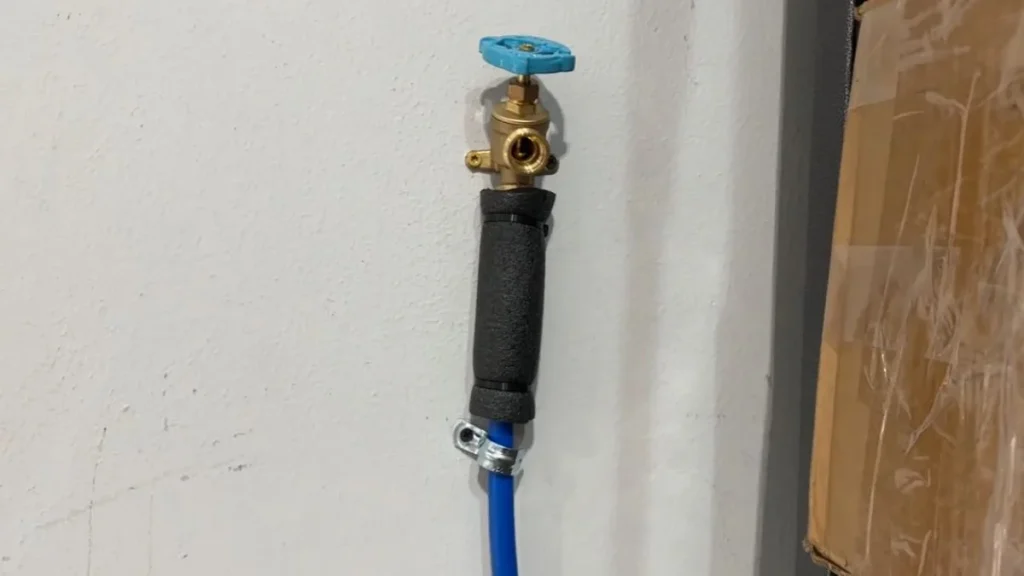
Frost-Free vs. Standard Spigots
A standard hose bib leaves water sitting in the exposed pipe section. In any climate that drops below 32°F, that standing water freezes, expands, and can split the pipe or the valve body — often without any visible warning until you turn it on in spring.
A frost-free spigot solves this with a stem that extends 4 to 12 inches back into the wall. When you shut it off, the water shutoff valve closes behind the insulated zone and the pipe drains automatically. Brands like Prier and Woodford make quarter-turn frost-free models specifically rated for garage and utility installation.
Here’s what most people miss: even a frost-free spigot inside a garage requires winterization planning if your garage is unheated. The “frost-free” label assumes the pipe behind the valve stays above freezing. An unheated garage in a cold climate does not guarantee that.
Cold-Water Only vs. Dual Hot/Cold Systems
A single cold-water hose bib is the simplest and least expensive install — one supply line tap, one valve, done. It covers most garage applications: garden hose hookups, car detailing, and workshop cleanup.
A hot and cold water spigot setup, sometimes built as a garage sink with water access, requires running a second supply line from your water heater. This adds cost and complexity but pays off if you plan to use a washing machine or need warm water for cleaning.
For connection flexibility, look for a hose bib with a quick disconnect fitting. Brass and stainless steel valves outlast plastic in garage environments — both handle pressure and temperature swings better over time.
Installation Methods and Water Line Routing
How you route the water supply line determines your installation cost, freeze risk, and whether you need a permit. Plan the path before you start cutting.

Sourcing Water Supply
Most garage hose bib installations tap into the nearest cold-water supply line — typically found in a basement, utility room, or crawl space adjacent to the garage. This is the simplest approach and works for the majority of applications, including garden hose hookups and car detailing.
If you need a hot and cold water spigot in the garage, you will need to tap a second line near the water heater inlet. That adds pipe length, fittings, and labor — but it is necessary for a washing machine or a garage sink with water access.
Size the supply line based on your actual flow needs. A standard hose bib runs at 2 to 5 GPM. A 1/2-inch supply line handles that comfortably. Install a dedicated water shutoff valve at the source — not just at the spigot. This lets you isolate and winterize the indoor spigot without shutting down the rest of the house.
Running Lines and DIY vs. Professional
PEX tubing is the practical choice for most DIY garage water line routing. It flexes around obstacles, resists freeze damage better than copper, and connects with push-fit fittings that require no soldering. Copper remains the standard in many jurisdictions and is required by some local codes — check before you buy materials.
Through-wall penetrations need two things: a tight-fitting sleeve and waterproof sealant around the entry point. Gaps let cold air migrate along the pipe, defeating your freeze protection even with a frost-free spigot.
Use this decision framework for DIY vs. hiring a plumber:
- DIY is reasonable if you are tapping an existing accessible line, using PEX, and your local code allows homeowner plumbing permits
- Hire a plumber if the route requires cutting into finished walls, soldering copper, or navigating code requirements you are unfamiliar with
- Always hire a plumber if the job involves the main shutoff, the water meter, or any pressurized line you cannot isolate independently
Winterization and Freeze Damage Prevention
A burst pipe from freeze damage costs an average of $5,000 to $70,000 in repairs according to the Insurance Information Institute — and a garage spigot is one of the most commonly overlooked freeze risks in a home.
Why Indoor Garage Spigots Still Freeze
Most homeowners assume that “inside the garage” means “protected from freezing.” It does not. An unheated garage in a northern climate regularly drops below 32°F for extended periods. Any water sitting in a supply line that runs through an exterior wall or an uninsulated garage ceiling is at direct freeze risk.
The problem compounds with standard hose bibs. Water remains in the exposed pipe section after you shut off the valve. If that section faces an exterior wall with inadequate insulation, one overnight cold snap is enough to split the pipe. Even a frost-free spigot fails if someone leaves a garden hose connected inside the garage — the hose prevents the automatic drain from working, trapping water in the stem.
Winterization Process and Maintenance
Winterize your indoor spigot before the first hard freeze. Follow this sequence:
- Close the dedicated water shutoff valve at the supply line source
- Open the spigot fully to release pressure and drain remaining water
- If your frost-free spigot has a bleeder cap, open it to confirm full drainage
- Disconnect any quick disconnect fittings or attached hoses completely
- Inspect pipe insulation along the full supply line route and replace any compressed or damaged foam sleeves
For pipes running through unheated garage walls, add heat tape — products like Frost King or Easy Heat offer thermostatically controlled options that activate automatically at 35°F to 40°F. Foam pipe insulation alone is insufficient when ambient temperatures drop below 20°F for more than a few hours.
Keep your shutoff valve accessible year-round. Do not store equipment in front of it. A shutoff you cannot reach quickly turns a minor freeze event into a flooding emergency.
Adding a spigot is a common companion project to relocating a water heater — see that guide here.
Your Garage Water Spigot: Ready to Plan
The single factor that turns a straightforward garage spigot install into an expensive problem is skipping the freeze protection and permit research before touching any pipe. Call your local building department today to confirm permit requirements and ask specifically whether your garage qualifies for an indoor hose bib under your municipal code.
Once you have that answer, use it to choose between a frost-free spigot and a standard hose bib, size your supply line, and decide whether PEX or copper fits your route and local code.