Why Your Garage Door Bangs When Closing: 5 Causes & Fixes

A garage door that makes a banging noise when closing is not just annoying — according to the Door and Access Systems Manufacturers Association (DASMA), garage doors are the largest moving mechanical objects in most homes, and undiagnosed noise is often the first warning sign of a failing component.
The real problem is uncertainty: you hear the bang, you don’t know if it’s a $10 fix or a $300 repair call, and you don’t know if it’s safe to keep using the door.
This guide walks you through 6 specific causes of garage door banging, tells you exactly which ones you can fix yourself, and flags the safety-critical issues that require a licensed technician.
5 Most Common Causes of Garage Door Banging When Closing
1. Broken or Worn Torsion Springs
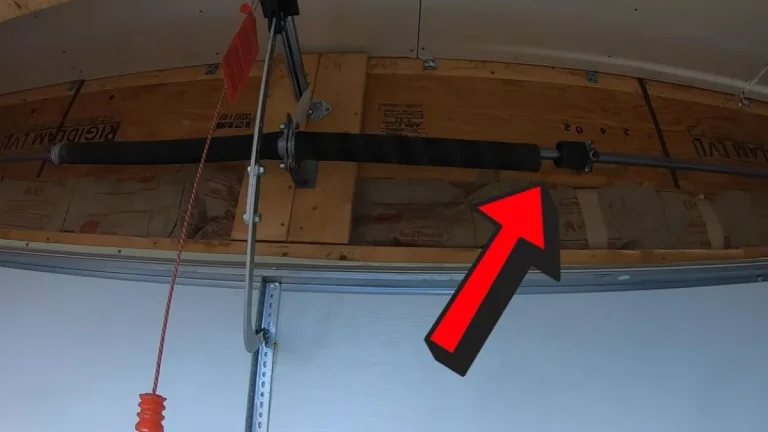
A broken spring is the most common cause of sudden, severe banging — and the most dangerous. Torsion springs (mounted horizontally above the door) and extension springs (running along the sides) both carry the door’s full weight. When one loses tension or snaps, the door descends unevenly and drops hard, producing a sharp impact sound.
Springs have a rated lifespan of 7-12 years or roughly 10,000 open/close cycles. Rust, poor lubrication, and cold temperatures accelerate wear. If your door sags on one side or feels unusually heavy to lift manually, garage door spring problems are the likely culprit.
Do not attempt spring replacement yourself. Torsion springs store enormous mechanical energy — a snapped spring can cause serious injury. This is a job for a licensed technician.
2. Damaged or Missing Support Struts
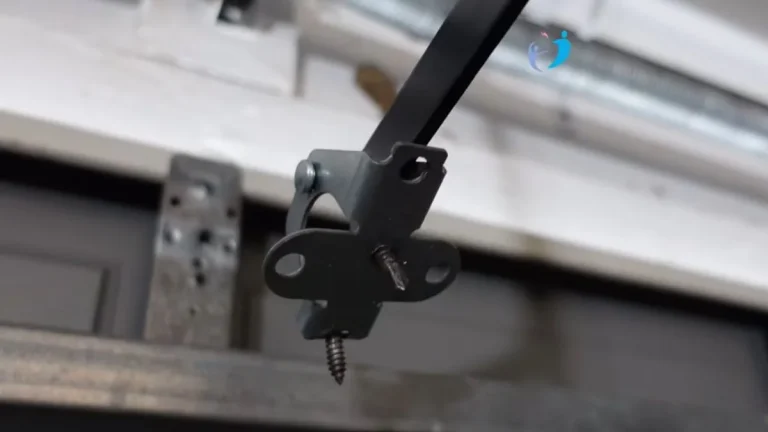
Struts are horizontal steel reinforcement bars bolted across each door panel. Their job is to keep the panel rigid as the door flexes through the curved track. Garage door strut damage — from rust, impact, or metal fatigue — allows the panel to bow inward mid-descent, then snap back on closing, creating a loud bang.
Look for visible bending or separation along panel seams. A door flexing in the middle during operation is a clear warning sign.
3. Misaligned or Worn Rollers
Rollers ride inside the vertical and curved tracks on each side of the door. Flat spots from metal fatigue, missing nylon wheels, or a bent track cause the roller to catch, skip, and slam during descent. The noise typically occurs at the same point in the door’s travel every time.
Inspect rollers visually — worn rollers look chipped, cracked, or visibly out-of-round. Garage door roller issues are among the most DIY-accessible repairs on this list.
4. Chain or Belt Slack and Misalignment
A loose chain on a chain-drive opener whips against the sprocket or chain guide rail as the door moves, producing rhythmic clanking that can escalate to a single hard jolt when the slack snaps taut. This is distinct from a structural bang — it’s a mechanical slap.
Garage door chain alignment is adjustable via the tensioner bolt on the opener unit. Consult your opener’s manual (brands like Chamberlain and LiftMaster publish these online) before adjusting.
5. Door Hitting the Ground Too Hard
If the bang happens only at the moment of full closure, the door is landing with too much force. This points to three possible causes: a worn or missing bottom seal reducing cushion, an incorrectly set limit switch sending the door too far down, or an imbalanced door descending faster than it should.
Repeated hard landings cause progressive structural damage — panel corners crack, bottom brackets bend, and struts weaken over time.
How to Diagnose Your Specific Noise
Locate Where the Sound Originates
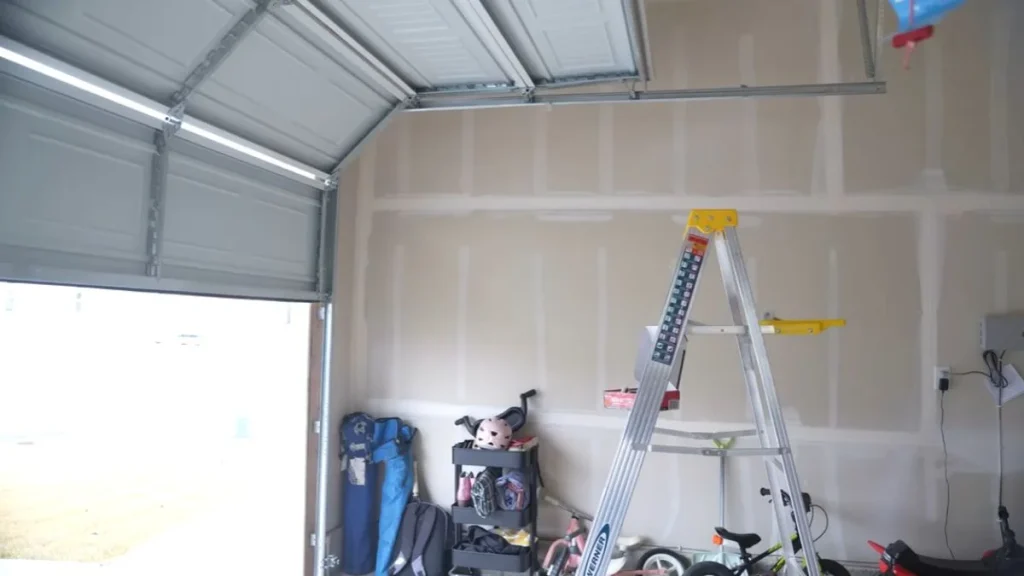
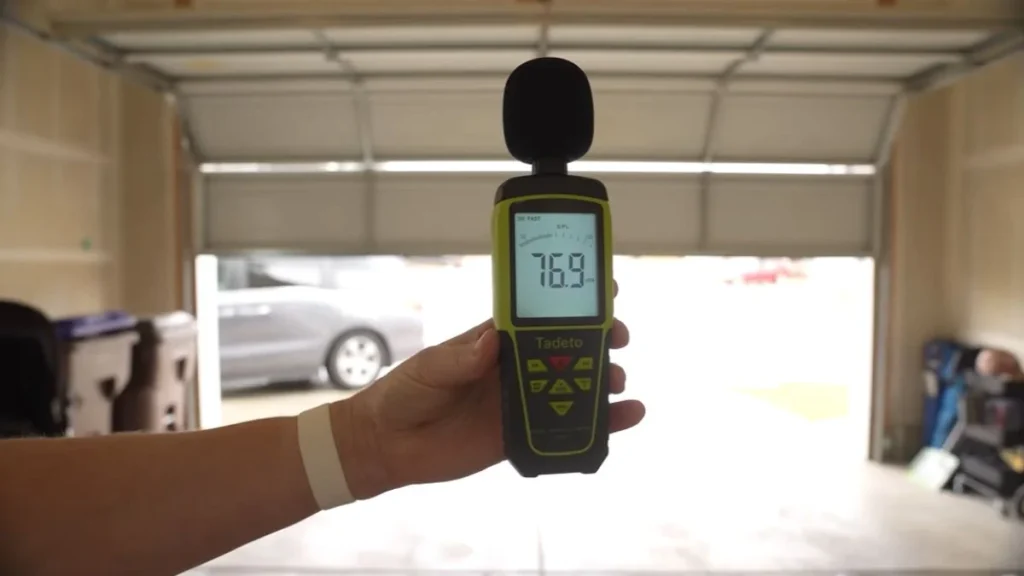
Stand safely to the side of the door — never directly underneath — and close it while listening carefully. The origin point narrows the cause significantly.
- Top of the door or header area: Points to a spring problem or opener malfunction. A single loud crack from this zone often means a torsion spring has snapped.
- Middle of the door panels: Suggests strut damage or panel separation. Garage door flexing in the middle as the door descends is a visible confirmation.
- Bottom edge or floor contact: Classic garage door hard landing — worn bottom seal, limit switch set too deep, or door imbalance.
- Track or side channels: Roller or bracket issues. The noise follows the door’s movement rather than occurring at one fixed moment.
Note When the Noise Happens
Timing is as diagnostic as location.
- Closing only, not opening: Strongly indicates an imbalanced door, worn struts, or hard landing — problems that appear only under descending load.
- Both directions: Points to mechanical wear in the rollers, track, or chain sprocket.
- Only on the first close after the door has sat overnight: Cold-weather spring stiffness, not necessarily a broken spring. If it disappears after one cycle, monitor it.
- Every single cycle, consistently: A repeating noise pattern means the problem is structural, not situational. Adjustment or replacement is needed.
Run This Quick Visual Inspection
Before calling anyone, spend five minutes checking these components with the door fully closed and the opener unplugged:
- Springs: Look for a visible gap in the coils, uneven winding, or heavy rust. A broken torsion spring has an obvious separation you can see from ground level.
- Struts: Check for dents, cracks, or points where the strut has pulled away from the panel face.
- Rollers and track: Roll each visible roller by hand. Flat spots, chips, or rollers sitting unevenly in the track indicate garage door roller issues requiring replacement.
- Hardware: Grab each hinge, bracket, and bolt and check for looseness. Rattling hardware is often the simplest fix — a quarter-turn with a socket wrench stops the noise immediately.
DIY Fixes and When to Stop
Safe Lubrication Routine
Lubrication is the first and safest DIY step — and it genuinely fixes a surprising number of noise complaints. Use a dedicated garage door lubricant or silicone spray. WD-40 is a solvent, not a lubricant; it strips existing grease and accelerates mechanical wear on rollers and hinges.
Apply lubricant to these points specifically:
- Rollers: Spray directly into the bearing, not the track itself
- Hinges: Hit the pivot pin on each hinge along both sides of the door
- Springs: A light coat reduces rust and friction noise — but does not fix a broken spring or correct imbalance
- Top rail and arm of the opener: A thin coat prevents drag
Do not lubricate the opener’s drive chain or belt — these have factory-set tension and added lubricant attracts debris that causes garage door chain alignment problems.
Hardware Tightening and Track Alignment
Close the door and visually inspect the vertical and horizontal tracks using a level. Tracks should be plumb on the vertical run and slope slightly downward (about 1/4 inch) toward the back on the horizontal run.
Tighten loose roller brackets, hinge bolts, and track fasteners with a socket wrench. Loose hardware is a legitimate source of impact sound and door jolting — and fixing it takes under 15 minutes. If a track section is visibly bent, straighten it carefully with a rubber mallet or replace it.
This fix works for minor rattling and bracket-related banging. It does not address structural failure, hard landing issues, or spring-related imbalance.
The Hard Stop: Springs and Struts Are Not DIY Work
Here is where most homeowners need to stop. Torsion springs operate under hundreds of pounds of stored tension. A spring that releases unexpectedly during adjustment can fracture bones or cause fatal injury — this is not an exaggeration. The Consumer Product Safety Commission has documented garage door spring injuries requiring emergency hospitalization.
Never attempt to:
- Wind or unwind a torsion spring
- Disconnect or reattach extension spring safety cables
- Remove strut bolts while the door is under load
A professional spring replacement typically costs $150-$350 depending on spring type and region — a fraction of an emergency room visit. If garage door spring problems or strut damage are your diagnosis, make the call.
Frequently Asked Questions
Why does my garage door bang only when closing and not when opening?
Closing puts the door’s full weight into a downward descent, which exposes imbalances, worn struts, and hard landing issues that opening — a controlled lift against spring tension — does not. If the noise happens only on the way down, start by checking spring balance, strut condition, and your opener’s limit switch setting.
Is a banging garage door dangerous to keep using?
It depends on the cause. A loose hinge bolt causing rattling is low-risk. A broken torsion spring or damaged strut is a structural failure — continued use risks the door dropping suddenly, which can damage your vehicle or cause serious injury. If you suspect spring problems or visible panel damage, stop using the door until a technician inspects it.
What’s the difference between a banging noise and a clunking sound?
A bang is a single sharp impact — typically a hard landing, spring snap, or strut flexing on contact. A clunk is a heavier, repetitive mechanical sound that usually points to roller issues, a worn chain sprocket, or loose hardware cycling through the same stress point on every operation.
Next Steps: Diagnosis Before Action
The single most important factor in keeping repair costs low is identifying the noise source before touching anything. Start today with the three-step visual inspection from Section 3 — locate the sound, note when it happens, and check springs, struts, rollers, and hardware with the opener unplugged.
If that inspection points to anything beyond loose hardware or roller wear, contact a DASMA-member technician for a professional assessment before the problem escalates into panel replacement or opener failure.