How to Lubricate Belt Drive Garage Door Openers: The Complete Guide
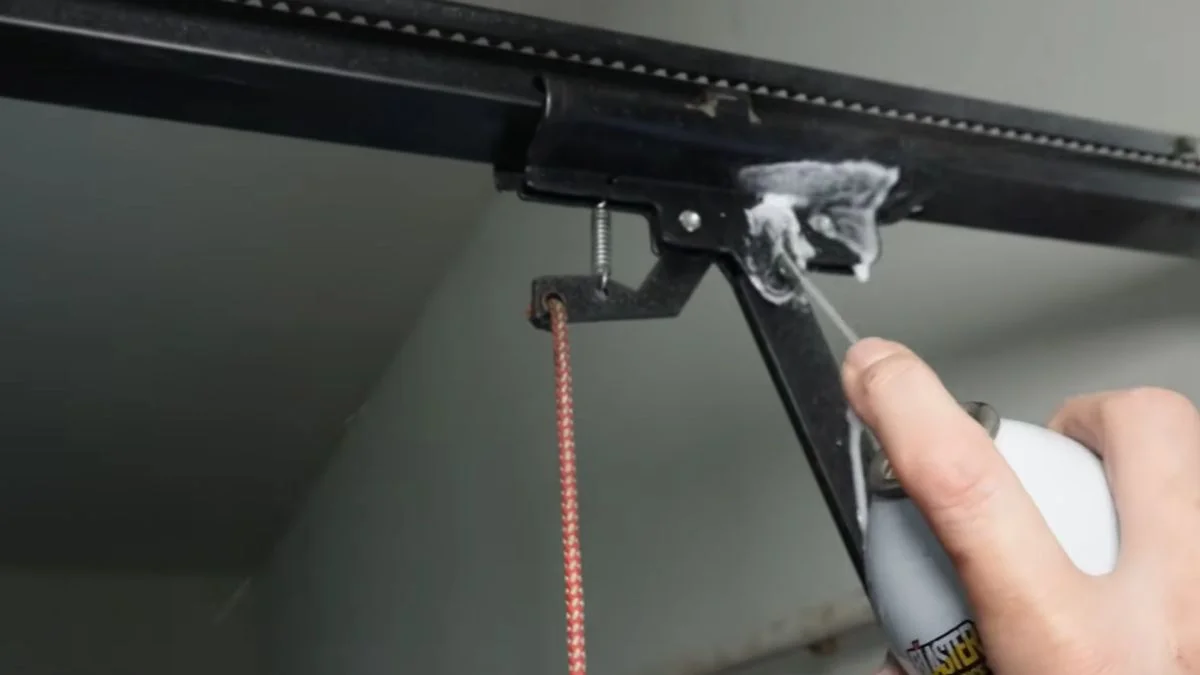
Knowing how to lubricate a belt drive garage door opener correctly is the difference between a quiet, long-lasting system and one you accidentally damage with the wrong product.
The real confusion comes from conflicting advice — some sources say never lubricate the belt, others say lubricate everything, leaving homeowners unsure which parts actually need attention and which products are safe to use.
This guide gives you a clear, step-by-step process backed by manufacturer guidance from LiftMaster and Chamberlain, so you finish with exactly the right lubrication applied to exactly the right places.
Belt Drive vs. Chain Drive: Clearing the Confusion
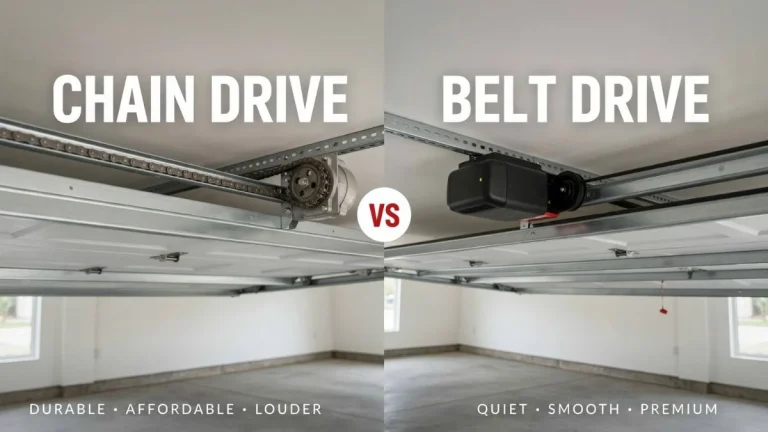
Belt drive and chain drive openers look similar but work very differently — and that difference determines everything about how you maintain them.
Why Some Sources Say “Don’t Lubricate” the Belt
The advice is correct, but incomplete. The rubber or polyurethane belt itself requires zero lubrication. Unlike a metal chain, which needs oil to reduce friction between its links, a belt is designed to run dry. Applying grease or oil to the belt causes it to slip, swell, or degrade — accelerating wear instead of preventing it.
This is why belt drive garage door opener maintenance is fundamentally different from chain drive maintenance. The belt is not the problem. The moving parts around it are.
What Actually Needs Lubrication on a Belt Drive System
Here’s the real answer most guides skip: the belt is just one component. Your opener has several metal-on-metal contact points that absolutely need lubrication.
The parts that require attention:
- Hinges — where each door panel connects and pivots
- Pivot points — the brackets where the door bends as it travels
- Rollers — the wheels that run inside the tracks (nylon rollers need less; steel rollers need more)
- Tracks — clean these first, then apply a light lubricant
- Torsion and extension springs — a thin coat reduces stress and noise
White lithium grease and silicone-based garage door lubricant spray are the two correct product types for these components.
How to Identify Your Opener Type
Look at the drive mechanism running from the motor unit to the door. A belt drive system uses a flat, rubber-like belt — smooth and quiet. A chain drive uses a metal chain similar to a bicycle chain. If yours is belt-driven and your garage door opener is making noise, lubrication of the moving hardware — not the belt — is almost always the fix.
What to Lubricate and What to Avoid
Getting this wrong costs money. Over-lubrication and misapplied products cause more damage than skipping maintenance entirely.
Components That Need Lubrication
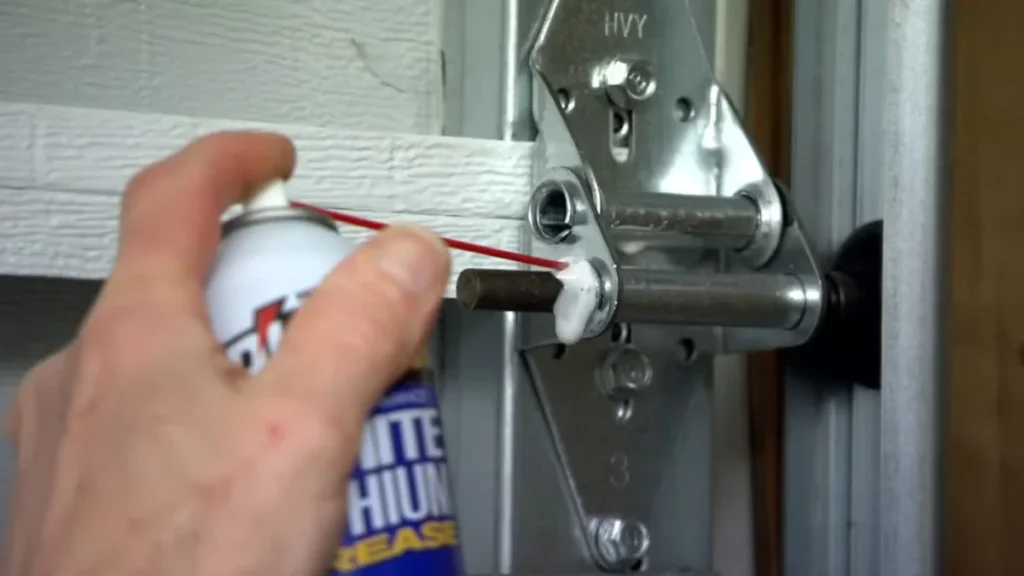
Hinges and pivot points are the most common source of noisy garage door opener complaints. Each hinge has a steel pin rotating inside a metal bracket — that contact point needs a small amount of white lithium grease applied directly to the pin. Work each hinge through its range of motion after applying so the grease distributes evenly.
Rollers depend on their material. Steel rollers need lubricant on the shaft and inside the roller housing. Nylon rollers — common on quieter systems — only need lubrication on the stem, not the wheel itself. Applying grease to nylon roller wheels attracts dirt and accelerates wear.
Tracks need cleaning before any lubricant touches them. Wipe the inside of each track with a dry cloth to remove grit and old grease buildup. A light application of silicone-based garage door lubricant spray on the track interior — not a heavy coat — reduces friction without collecting debris.
Springs need a thin, even coat of white lithium grease along their full length. Garage door springs lubrication reduces the metal fatigue that causes premature failure and contributes to opener noise reduction.
What NOT to Lubricate
- The belt itself — any lubricant causes slipping and degrades the rubber or polyurethane material
- Motor housing and electrical components — lubricant inside the motor unit creates a fire and short-circuit risk
- WD-40 on any garage door part — it’s a solvent and degreaser, not a lubricant; it strips existing grease and leaves parts dry within days
The torsion spring tension mechanism — the winding cone and set screws — should never be touched during routine maintenance. Adjusting spring tension is a professional-only task due to the stored energy involved.
Best Lubricants for Belt Drive Openers
Two products handle nearly every lubrication need on a belt drive system: white lithium grease and silicone-based spray. Knowing which one goes where prevents both under-lubrication and product damage.
White Lithium Grease vs. Silicone Spray
White lithium grease is a thick, paste-like lubricant that stays in place under heavy load and temperature swings. Use it on hinges, springs, roller stems, and bearing plates — anywhere metal contacts metal with significant pressure or friction. It resists washout and lasts longer between applications than light oils.
Silicone-based garage door lubricant spray is thinner and works best on tracks and plastic or nylon components. It doesn’t attract dust the way grease does, making it the right choice for track interiors where debris buildup causes binding and noise.
Why WD-40 Fails Here
WD-40 is a water displacer and light solvent — it was never formulated as a long-term lubricant. On garage door hardware, it strips existing grease, evaporates within days, and leaves metal parts drier than before. Using it on hinges or rollers as a noise fix creates a cycle of repeated applications that accelerates wear.
Product Recommendations by Component
| Component | Recommended Product |
|---|---|
| Hinges and pivot points | White lithium grease (e.g., CRC White Lithium Grease) |
| Springs | White lithium grease |
| Steel roller stems | White lithium grease |
| Nylon roller stems | Silicone spray |
| Track interiors | Silicone spray |
| Belt | Nothing — leave it dry |
Brand-Specific Guidance
LiftMaster and Chamberlain both recommend lithium-based or silicone-based lubricants in their maintenance documentation and explicitly warn against petroleum-based products on belt drive systems. Genie similarly advises against aerosol oils. All three manufacturers sell branded lubricant sprays designed specifically for their systems — these are safe choices if you want a single product that meets manufacturer specs without cross-referencing compatibility.
Step-by-Step Lubrication Process
This process takes 20-30 minutes on a standard residential garage door and requires no specialized tools beyond a ladder, rags, and your chosen lubricants.
Pre-Lubrication Safety
Before touching any hardware:
- Unplug the opener from the ceiling outlet — not just close the door
- Pull the emergency release cord (the red cord hanging from the trolley) to disconnect the door from the drive system
- Inspect the door visually — look for cracked hinges, broken roller wheels, frayed cables, or visible spring damage before applying any lubricant
- Note pinch points — when moving the door manually during this process, keep fingers away from hinge joints and track gaps
If you find a broken spring or frayed cable during inspection, stop and call a professional. These are not lubrication problems.
Application Sequence
Step 1 — Clean the tracks. Wipe the inside channel of both vertical and horizontal tracks with a dry cloth. Remove old grease, dirt, and grit completely. Garage door tracks cleaning is a prerequisite, not optional — lubricant applied over debris binds instead of reducing friction.
Step 2 — Lubricate hinges and pivot points. Apply a small amount of white lithium grease directly to each hinge pin. Open and close the door manually 2-3 times to work the grease into the joint. Wipe any excess immediately.
Step 3 — Address the rollers. Apply white lithium grease to steel roller stems and inside the roller housing. For nylon rollers, apply silicone spray to the stem only. Avoid saturating — one light application per roller is enough.
Step 4 — Coat the springs. Run a thin, even bead of white lithium grease along the full length of each spring coil.
Step 5 — Test and assess. Reconnect the opener, plug it back in, and run the door through 3-4 full cycles. A significant reduction in noise confirms correct application. Persistent grinding after lubrication points to worn rollers or misaligned tracks — not a lubrication problem.
Frequently Asked Questions
Should I lubricate the belt itself on a belt-driven opener?
No. The belt on a belt drive opener is designed to run completely dry. Applying any lubricant — grease, oil, or silicone spray — causes the belt to slip on the drive sprocket, degrades the rubber or polyurethane material, and shortens the belt’s lifespan significantly.
What’s the difference between lubricating chain vs. belt drive openers?
Chain drive openers require direct lubrication of the chain links and rail with white lithium grease or a dedicated chain lubricant. Belt drive systems skip the drive component entirely — only the door hardware (hinges, rollers, springs, and tracks) needs lubrication, not the belt itself.
Can I use WD-40 on my garage door opener?
No. WD-40 is a solvent and water displacer, not a lasting lubricant. It strips existing grease from hinges and rollers, evaporates within days, and accelerates metal wear. Use white lithium grease or silicone-based spray instead.
How often should I lubricate my garage door opener?
Lubricate all moving hardware — hinges, rollers, springs, and tracks — twice per year. According to Chamberlain’s maintenance guidelines, biannual lubrication is sufficient for most residential systems under normal use conditions.